

The upfront cost of a filtration system is easy to see. The long-term savings on appliances, plumbing, bottled water, and cleaning products are harder to calculate — until now.
One of the most common objections to installing a water filtration system is the upfront cost. But when you add up what hard, unfiltered water costs your household every year, the math changes quickly.
Bottled water is the most obvious expense. The average American family spends $500 or more per year on bottled water. A whole-home filtration system with an under-sink RO unit eliminates that cost entirely — delivering better-tasting water directly from your tap for pennies per gallon.
Hard water scale reduces the efficiency of water heaters by up to 30% and shortens the lifespan of dishwashers, washing machines, and coffee makers. Replacing a water heater costs $800–$1,500. A water softener that extends its life by five or more years pays for itself on that appliance alone.
Add in reduced soap and detergent use (soft water lathers far more efficiently), fewer plumbing repairs from scale buildup, and lower skincare and haircare product spending, and most families find their filtration system pays for itself within two to three years. Queen City Water Co's pricing — up to 40% below competitors — makes the payback period even shorter.
Get a Free Water Test
Find out exactly what's in your water — at no cost, no obligation.
More Articles

The Importance of Water Filtration for Tri-State Area Homes
Discover why clean water matters more than ever for Tri-State Area families and how modern filtration systems protect your health, your appliances, and your wallet.
Read More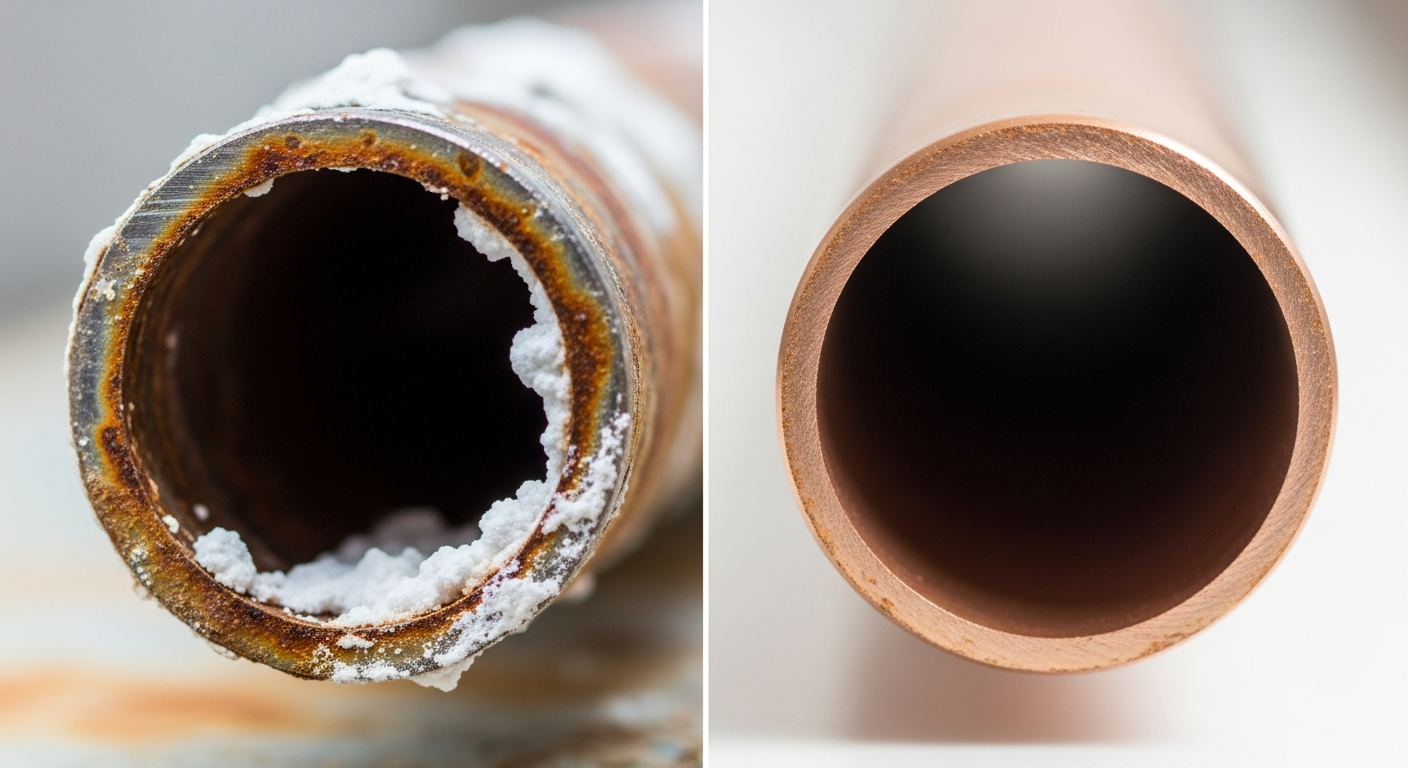
5 Signs Your Home Needs a Water Filtration System
From scale buildup on fixtures to strange tastes and odors, learn the warning signs that your water quality needs attention — and what to do about it.
Read More
How Filtered Water Improves Skin and Hair Health
Hard water and chlorine can wreak havoc on your skin and hair. Find out how soft, filtered water transforms your daily routine and why dermatologists recommend it.
Read More